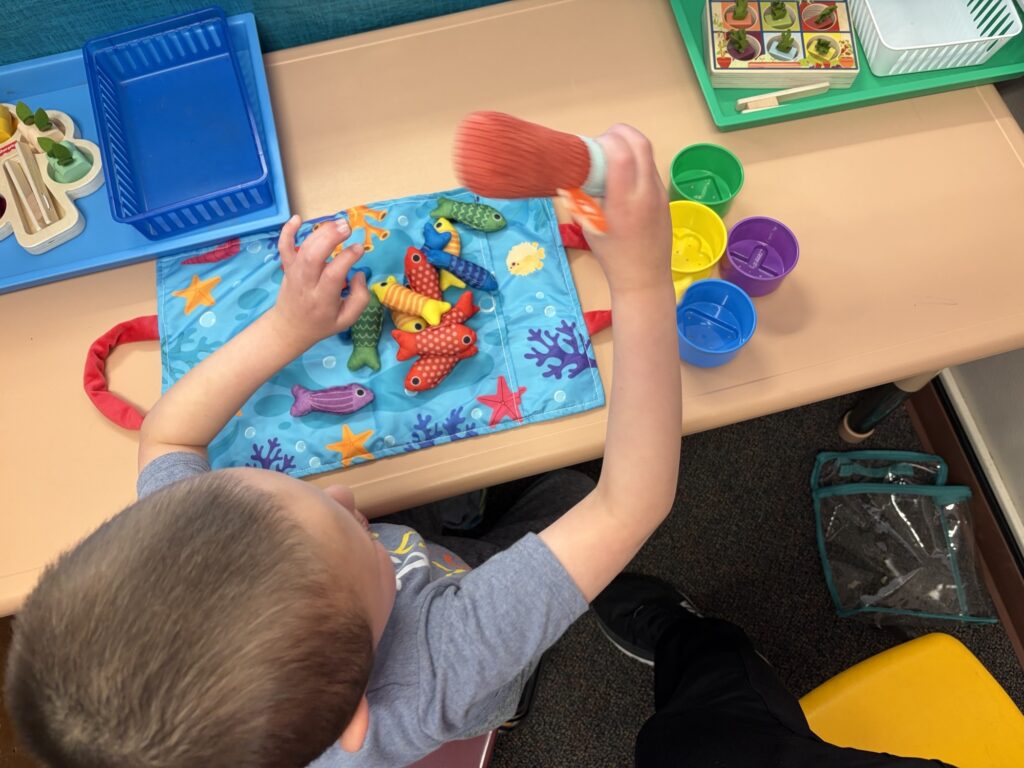
Saranac Preschool
Amanda Bokus is a preschool teacher at Saranac Preschool. She participated in Watershed for Every Classroom (WEC) from 2024 to 2025 and has received two educator mini-grants from the LCBP.
Amanda Bokus has been teaching since 2000, with a 10-year pause during which she homeschooled and brought up her now-adult children in an off-grid home in the woods of upstate New York.
Amanda earned an undergraduate degree in biology, but after working in a lab for several years, she decided she’d rather teach science than work in a hospital setting. She began a master’s degree in special education teaching while working as an assistant at a special education preschool in Troy, New York.
“I was excited to participate in WEC because it had been a while since I’d been able to ‘do real science’ in the field, and I had found over the years that elementary schools don’t always place a strong emphasis on science content,” Amanda shared. “I wanted to be able to bring place-based science education to our building to help our students and faculty become more excited about teaching science at the elementary level.”
We interviewed Amanda to learn more about her experience bringing WEC concepts back to her students.
What is something you learned during WEC that surprised you?
I really enjoyed learning more about cyanobacteria monitoring and was surprised to learn about the citizen science opportunities for monitoring and reporting that are available locally. I live on Lake Champlain, and our area has just started to have issues with cyanobacteria in the last few years.
Which WEC field trip was most memorable to you, and why?
I loved going on the research vessel the Marcelle Melosira! It was a great opportunity to actually do some hands-on techniques that I hadn’t been exposed to since undergraduate training. The research vessel is such a great program for local educators and the community.
What have you brought back to your classroom, school, or community after participating in WEC?
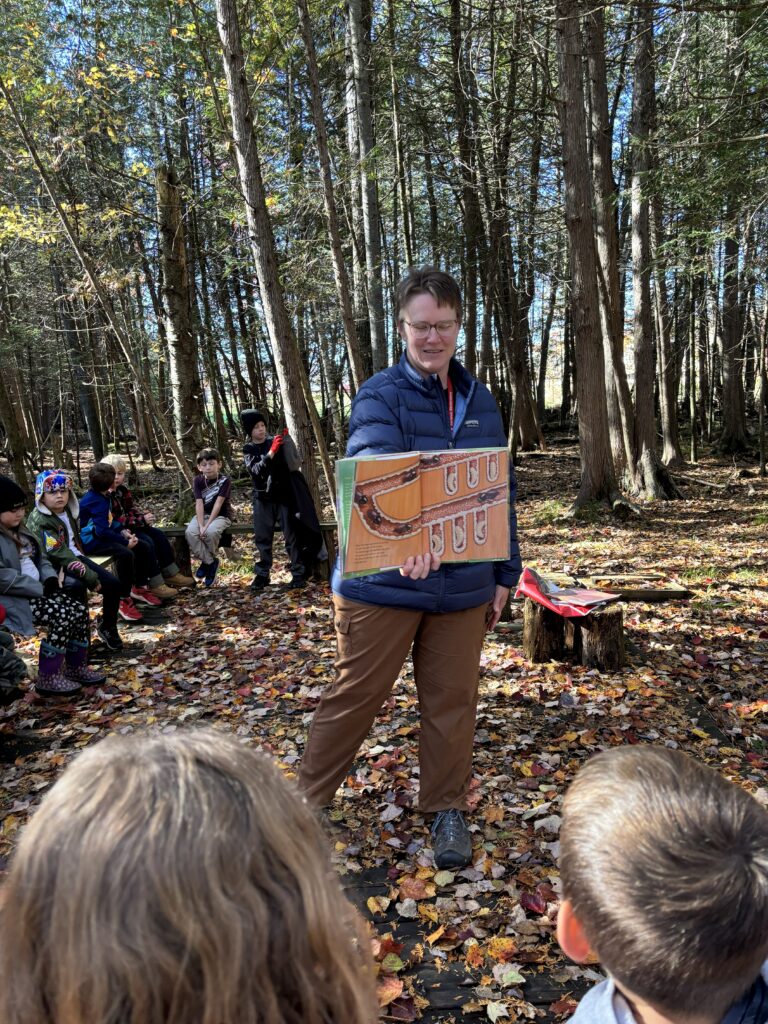
During my WEC year, I created a place-based learning experience for our second grade team where students learned about the plants and animals found along the Saranac River near our school. We incorporated hikes and projects at our district nature trail including nature poetry, natural topics read-alouds, and an Adirondack animals research project, which culminated in a Saranac River mural featuring the animals they learned about.
Now that I am teaching preschool, I have been able to teach my students the basics of natural topics including plant and animal vocabulary, weather studies, and about our local farms and their products through our hands-on, play-based program.
WEC is the best professional development program I have ever participated in!
How did the educator mini grant aid you in engaging students in Lake Champlain basin concepts and issues?
I was fortunate to receive the educator mini grant for the last 2 years, since switching to the preschool level. We received items to teach our students about local farms, animals, and their products, including books, puppets, pretend animals, fruits and vegetable stand items, puzzles, and games featuring these topics. We recently received a water table, sensory table, and manipulatives that we are using to introduce our students to how water and soil move and behave.